Monsoon and Elevator Safety: Why Independent Lift Inspections Matter Before the Rains
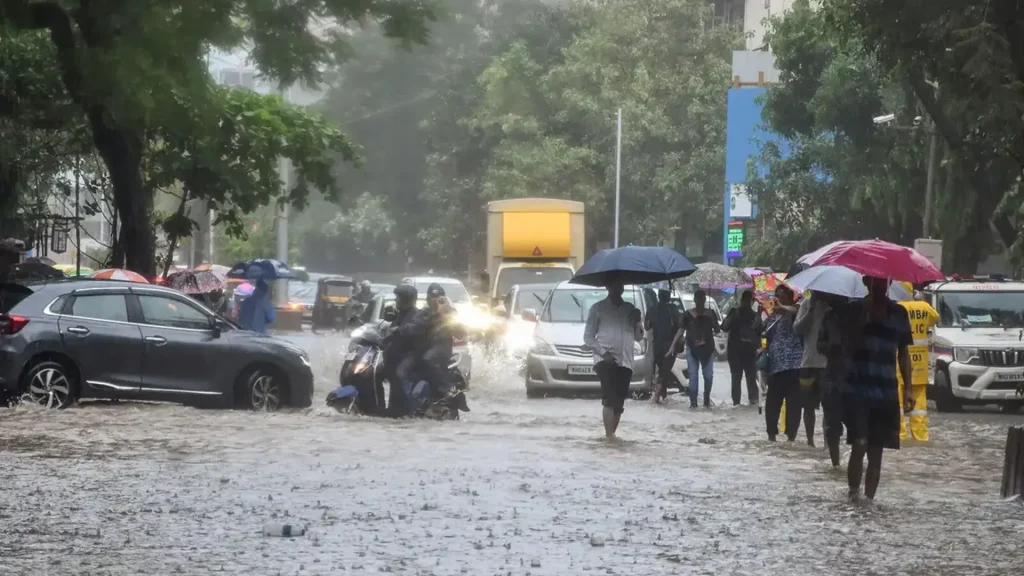
Images Ref: economictimes.com
Introduction
As the monsoon season approaches, property managers and building owners typically focus on waterproofing, drainage systems, roofing inspections, and electrical safety checks. Yet one critical building asset often receives less attention than it deserves, the elevator system.
Elevators are complex systems that rely on electrical, mechanical, and electronic components working seamlessly together. During the monsoon, increased humidity, water ingress, fluctuating power supply, and drainage issues can create conditions that impact elevator performance, reliability, and safety.
While regular maintenance remains essential, a third-party elevator audit conducted by an independent lift consultant can uncover hidden vulnerabilities before they turn into costly breakdowns, resident complaints, or safety concerns.
When Monsoon Exposes Hidden Elevator Risks
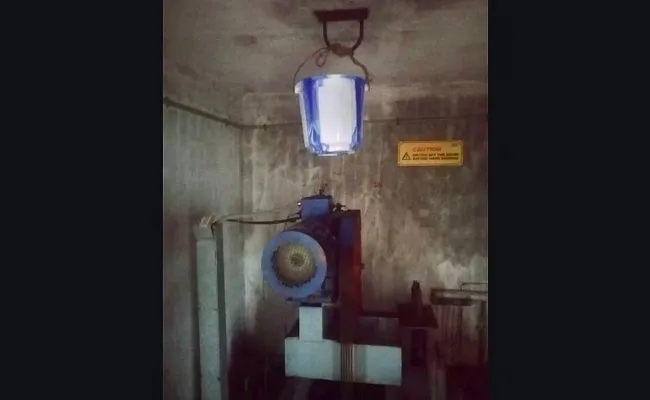
During the 2020 Mumbai monsoon, a residential building's flooded basement became the site of a tragic lift-related incident when heavy rainwater entered the lift area. In another reported case from Chennai, rainwater seeped through the terrace and into the elevator motor room, forcing residents to place buckets beneath the leak to prevent water from entering electrical equipment. These incidents highlight a common reality: monsoon-related elevator risks often begin long before the lift actually stops working. Water ingress into lift pits, shafts, and machine rooms can silently compromise safety, reliability, and equipment life if not identified through timely inspections and third-party elevator audits.
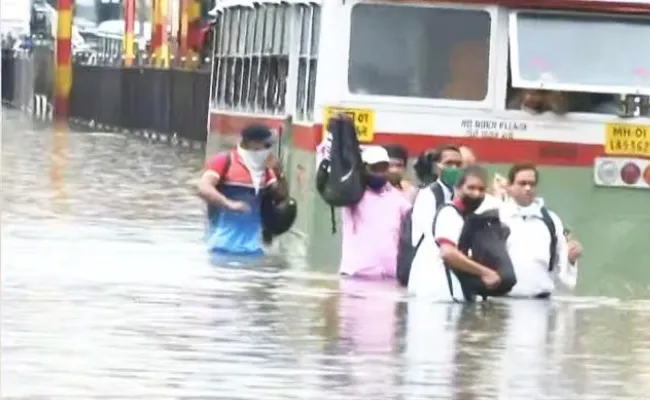
Mumbai rain: After heavy overnight rain, two security guards, stuck in a flooded lift of a building in Mumbai died.
The Perumbakkam area, where several thousands of families were relocated, has been facing severe inundation over the past week with knee-deep water
For buildings located in low-lying areas or regions that experience heavy rainfall, these risks are even greater. Flooded basements can lead to water accumulation in lift pits, while poor waterproofing can allow rainwater to seep into machine rooms and electrical panels. A proactive elevator audit conducted by an independent lift consultant helps identify these vulnerabilities before they result in breakdowns, costly repairs, or safety incidents.
How Monsoon Conditions Affect Elevators
Elevators operate in environments that are highly sensitive to moisture and electrical fluctuations. During the rainy season, several risks become more pronounced:
1. Water Ingress in Lift Pits
Lift pits are among the most vulnerable areas during monsoon months. Poor drainage, groundwater seepage, or water accumulation can affect critical components located at the bottom of the shaft.
Unchecked water ingress may contribute to corrosion, equipment deterioration, and increased maintenance requirements.
2. Increased Humidity and Condensation
Even when water does not directly enter the elevator system, excessive humidity can create condensation within electrical panels and control systems.
Over time, this may impact electrical reliability and increase the likelihood of faults or intermittent operational issues.
3. Power Fluctuations and Electrical Disturbances
Heavy rains and storms often place additional stress on local power infrastructure. Voltage fluctuations, power interruptions, and electrical surges can affect elevator controls and safety systems.
Buildings without adequate protection measures may experience increased service disruptions during the monsoon season.
4. Corrosion of Mechanical Components
Continuous exposure to moisture can accelerate corrosion in metal components, particularly in older installations.
Corrosion often develops gradually and may remain unnoticed until performance issues emerge.
Why Routine Maintenance Alone May Not Be Enough
Most elevators are covered under Annual Maintenance Contracts (AMCs), which play a crucial role in ensuring ongoing operation and repairs. However, maintenance and auditing serve different purposes. Maintenance teams focus on servicing and repairing the equipment. An independent lift safety audit focuses on evaluating the overall condition, compliance, performance, and risks associated with the elevator system.
A third-party lift audit provides an objective assessment without being influenced by maintenance responsibilities or equipment ownership. This independent perspective often helps uncover issues that may otherwise remain unnoticed.
What Does an Independent Elevator Audit Cover?
A professional elevator consultant or lift consultant typically evaluates multiple aspects of the system, including:
- Lift pit condition and water ingress risks
- Drainage effectiveness around elevator areas
- Electrical safety and control systems
- Landing doors and door operation
- Machine room condition and ventilation
- Emergency communication systems
- Safety devices and protection mechanisms
- Signs of wear, corrosion, or deterioration
- Compliance with applicable standards and regulations
- Maintenance practices and documentation
The objective is not merely to identify current issues but also to highlight emerging risks before they become operational problems.
The Business Impact of Ignoring Elevator Risks
Elevator failures affect more than convenience. For residential communities, breakdowns often lead to resident dissatisfaction, increased complaints, and operational disruptions. For commercial buildings, elevator downtime can impact tenant experience, visitor movement, and business continuity. In healthcare facilities, hospitality properties, and high-rise developments, elevator reliability becomes even more critical. A proactive elevator audit helps building owners move from reactive repairs to preventive risk management.
Benefits of Conducting a Third-Party Lift Audit Before Monsoon
- Enhanced Safety
Independent inspections help identify safety concerns before they affect passengers. - Reduced Downtime
Early detection of vulnerabilities can prevent unexpected service interruptions during peak monsoon periods. - Better Asset Life
Addressing moisture-related risks early can help protect valuable elevator equipment from accelerated deterioration. - Regulatory and Compliance Confidence
An audit conducted by a qualified elevator consultant provides documented evidence of due diligence and system evaluation. - Informed Decision-Making
Property managers gain clear insights into asset condition, maintenance priorities, and future modernization requirements.
Why Independent Expertise Matters
An experienced lift consultant brings specialised technical knowledge and an unbiased perspective to elevator assessments.
Unlike routine maintenance visits, independent consultants evaluate the entire lifecycle performance of the system, identifying hidden risks, modernization opportunities, and compliance gaps.
For building owners and facility managers, this creates greater confidence that elevator assets are prepared to withstand seasonal challenges and continue operating safely and efficiently.
Conclusion from Utopias
Monsoon season does not create elevator problems, it exposes them.
Water ingress, humidity, power fluctuations, and drainage issues can quickly amplify existing weaknesses within elevator systems. By the time residents begin reporting problems, the underlying issue may have already been developing for weeks or months.
A proactive third-party elevator audit before the onset of heavy rains can help identify hidden vulnerabilities, improve safety, reduce downtime, and protect the long-term performance of your elevator assets.
At Utopias, our independent lift consultants help building owners and facility managers identify potential risks through comprehensive elevator audits and third-party lift inspections, ensuring elevators remain safe, compliant, and monsoon-ready.
Before the rains arrive, now is the right time to assess whether your elevators are truly prepared for the season ahead.