Lift Entrapment in Greater Noida – A Preventable Situation

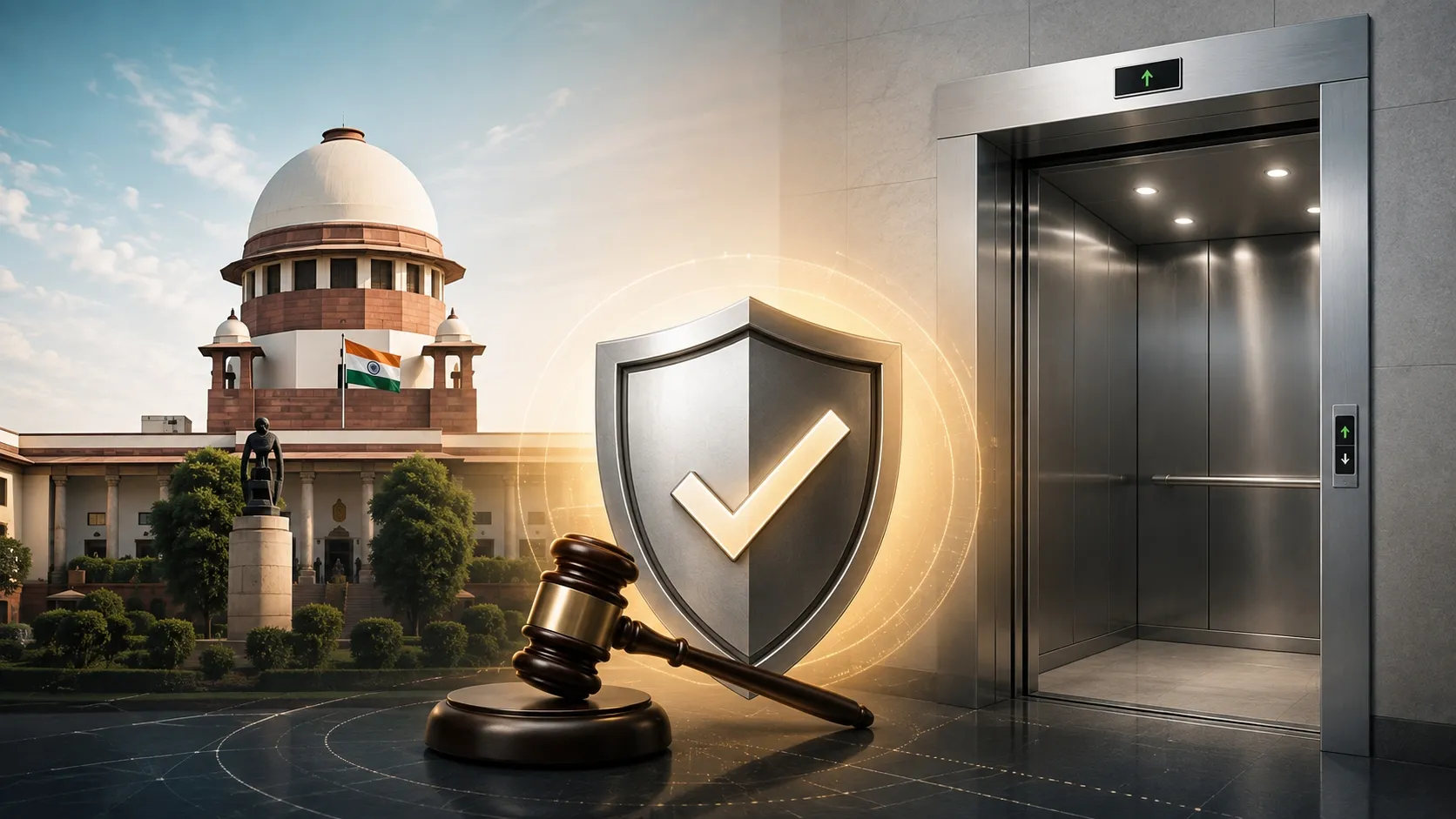
A recent incident at Himalaya Pride Society in Greater Noida has once again highlighted a critical yet often ignored safety concern. Two young girls were trapped inside a lift for nearly an hour due to a technical fault. While they were eventually rescued without physical harm, the situation exposed serious gaps in preparedness, response, and accountability.
This was not just a technical failure, it was a system failure.
Lift entrapments are not uncommon, but what determines the severity of such incidents is the speed and efficiency of response. In this case, the prolonged delay turned a manageable situation into a distressing experience, especially for children.
What Went Wrong?
Such incidents are rarely caused by a single fault. Instead, they reveal a chain of overlooked responsibilities.
The lift stalled mid-way without immediate recovery, raising concerns about whether the Automatic Rescue Device (ARD) was functional. ARDs are designed to bring the lift to the nearest floor during power failures. If this did not happen, it indicates either a technical lapse or lack of proper maintenance.
The delay in rescue response is equally concerning. Being trapped for an extended period can cause panic, anxiety, and even health risks. A well-prepared system should ensure resolution within minutes, not close to an hour.
Another critical factor is the possible failure or non-use of the alarm or intercom system. These are basic safety features meant to connect passengers with security or maintenance teams instantly. If they were unavailable or ineffective, it reflects negligence.
Lastly, the absence of trained personnel on-site further delayed action. Emergency handling requires not just equipment, but people who know exactly what to do under pressure.
What Must Be Ensured
Preventing such situations requires a proactive approach from societies, facility managers, and service providers.
First, all essential safety systems including alarm buttons, intercoms, and auto-dialers must be fully functional at all times. If any of these are not working, the lift should not be in operation.
Second, there must be a clearly defined emergency response protocol. Rescue actions should begin immediately, with trained personnel available and escalation systems in place. Maintenance contracts must be active, responsive, and accountable.
Third, regular preventive maintenance is non-negotiable. Routine inspections, ARD testing, and third-party audits can significantly reduce the risk of unexpected failures.
Finally, security and staff must be trained to handle such situations calmly and efficiently, ensuring passengers feel supported rather than helpless.
The Utopias Approach to Elevator Safety
At Utopias, we believe safety should not depend on luck or reaction—it should be built into the system.
A well-designed safety ecosystem ensures that even if a lift stops unexpectedly, the situation never escalates. Within seconds, backup systems activate, communication channels open instantly, and response teams are alerted without delay. Passengers are not left guessing—they are guided, reassured, and supported in real time.
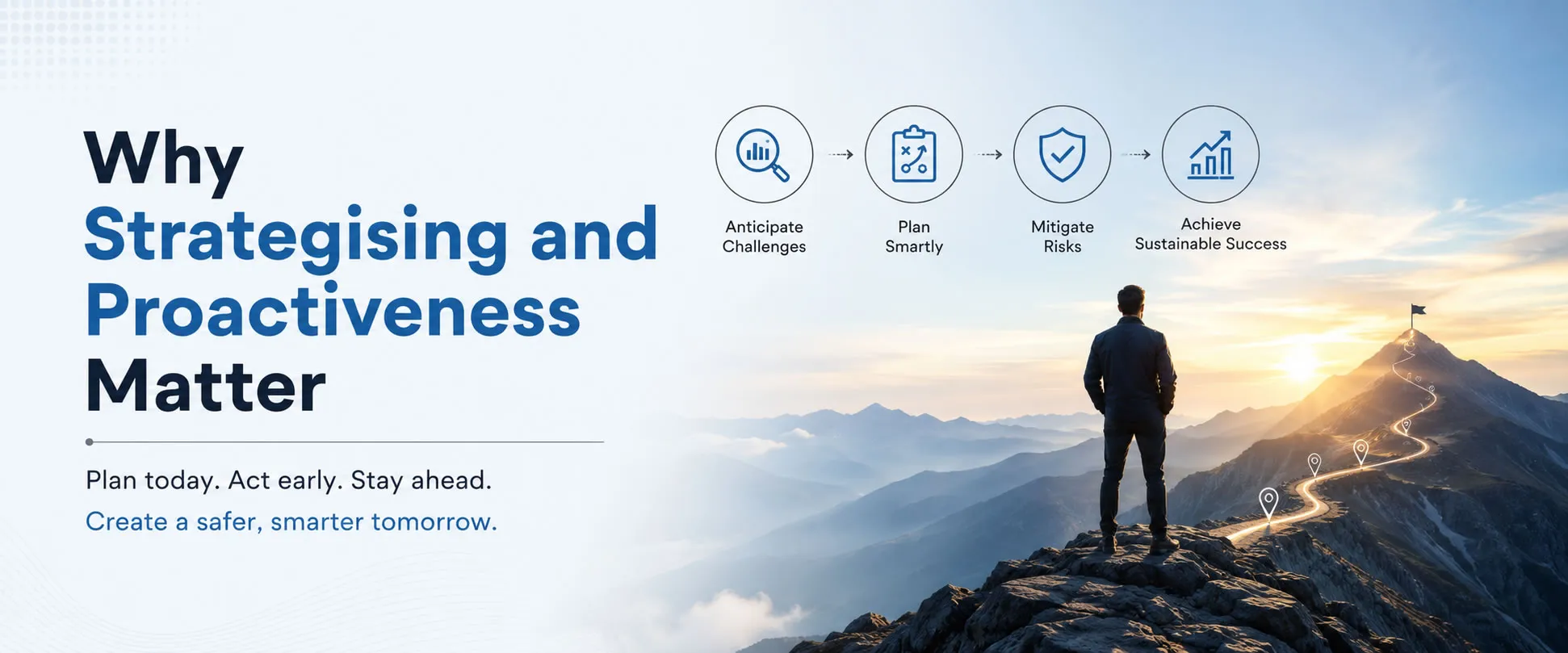
Our approach focuses on three pillars:
- Preparedness: Ensuring all safety systems are functional, tested, and compliant at all times
- Response: Creating rapid, well-defined rescue protocols with trained personnel
- Accountability: Establishing clear responsibility across maintenance providers and facility managers
Because true safety is not just about installing equipment—it is about ensuring that everything works when it matters most.
Final Thought
The Bigger Lesson
Lift entrapments may not always lead to fatalities, but delays in response can quickly turn discomfort into trauma.
Elevator safety is not just about infrastructure, it is about preparedness, response, accountability, and the ongoing health of every system. Because safety is not ensured at installation, it is sustained through regular audits, maintenance, and vigilance.
Every lift we step into is built on trust. Trust that someone has assessed its condition, ensured its reliability, and prepared it for emergencies.
At Utopias, we are specialists in lift/elevator consulting, also conducting independent third-party safety audits. We focus on ensuring system health, audit integrity, and safety preparedness.
Because safety is not a feature,
It is a responsibility.