Supreme Court's Landmark Ruling on Lift Safety: What Every Building Owner Should Know
Modern buildings rely on lifts every day to safely transport people between floors. Whether in residential societies, commercial complexes, hospitals, or offices, lifts have become an essential part of urban life.
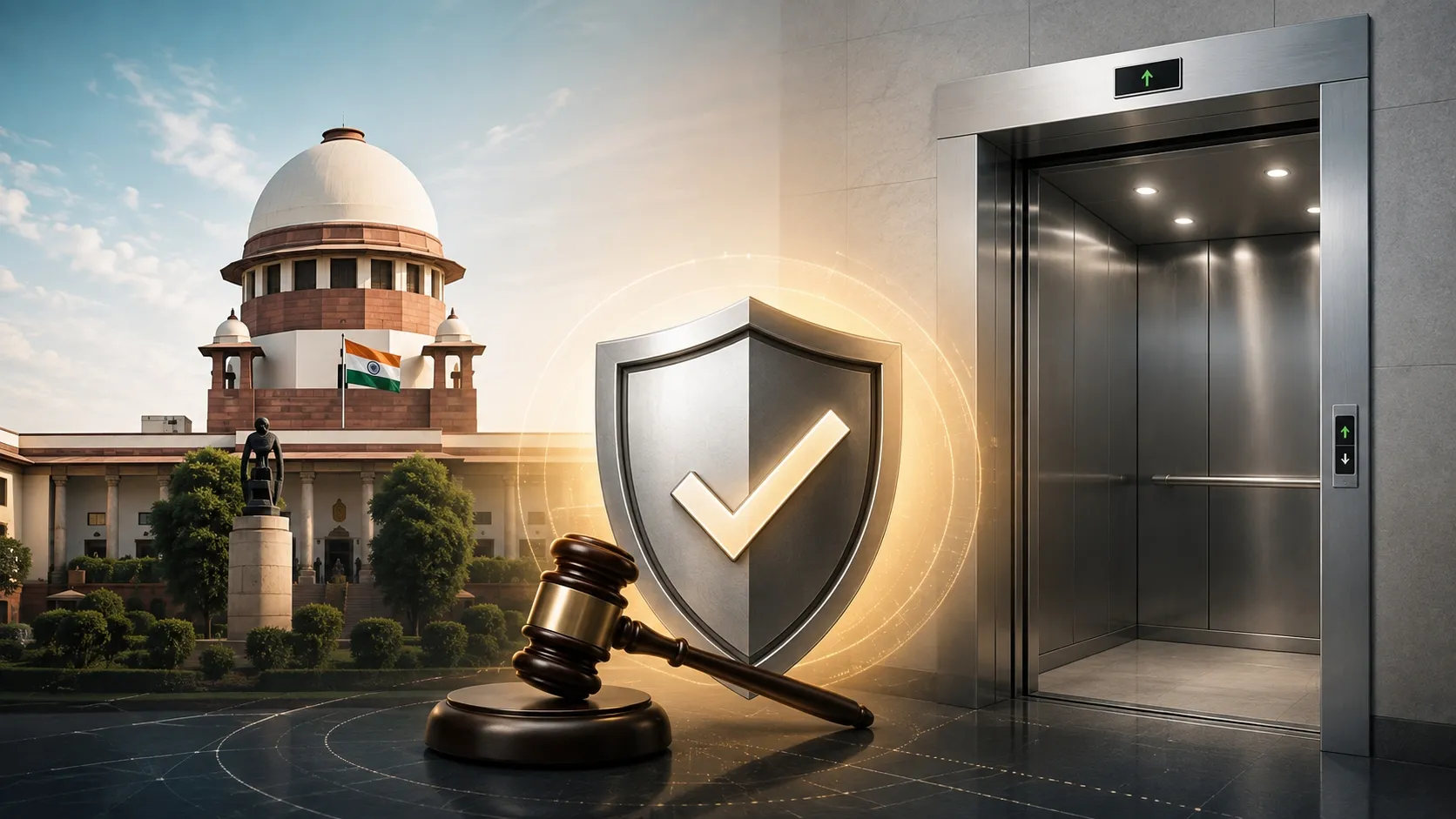
In a recent landmark judgment, the Supreme Court of India reinforced an important principle: lift safety is a shared responsibility. The Court held that, in the event of a lift accident, responsibility cannot simply be shifted from one party to another. Instead, the manufacturer, maintenance agency, and building owner all have a duty to ensure passenger safety. The Court also observed that elevators should be treated as "common carriers," recognizing the high level of trust passengers place in them every time they step inside.
Why This Judgment Matters
For years, discussions around lift accidents often focused on identifying a single party at fault. The Supreme Court's ruling changes that perspective by emphasizing that safety requires collaboration from everyone involved.
This means:
Manufacturers must ensure lifts are designed and maintained to appropriate safety standards. Maintenance agencies must carry out inspections and repairs diligently. Building owners and management committees must actively monitor lift safety and address recurring concerns instead of assuming that maintenance alone is enough.
The message is clear: passenger safety cannot depend on assumptions or delayed action.
Maintenance Alone Is Not the Complete Picture
One of the biggest misconceptions is that if a lift has an annual maintenance contract (AMC), no further attention is required.
Routine maintenance is essential because it keeps the lift operational. However, an independent lift inspection or third-party audit serves a different purpose. It provides an objective assessment of the lift's condition, highlights potential risks, verifies compliance, and offers recommendations that help building owners make informed decisions.
These two activities complement each other rather than replace one another.
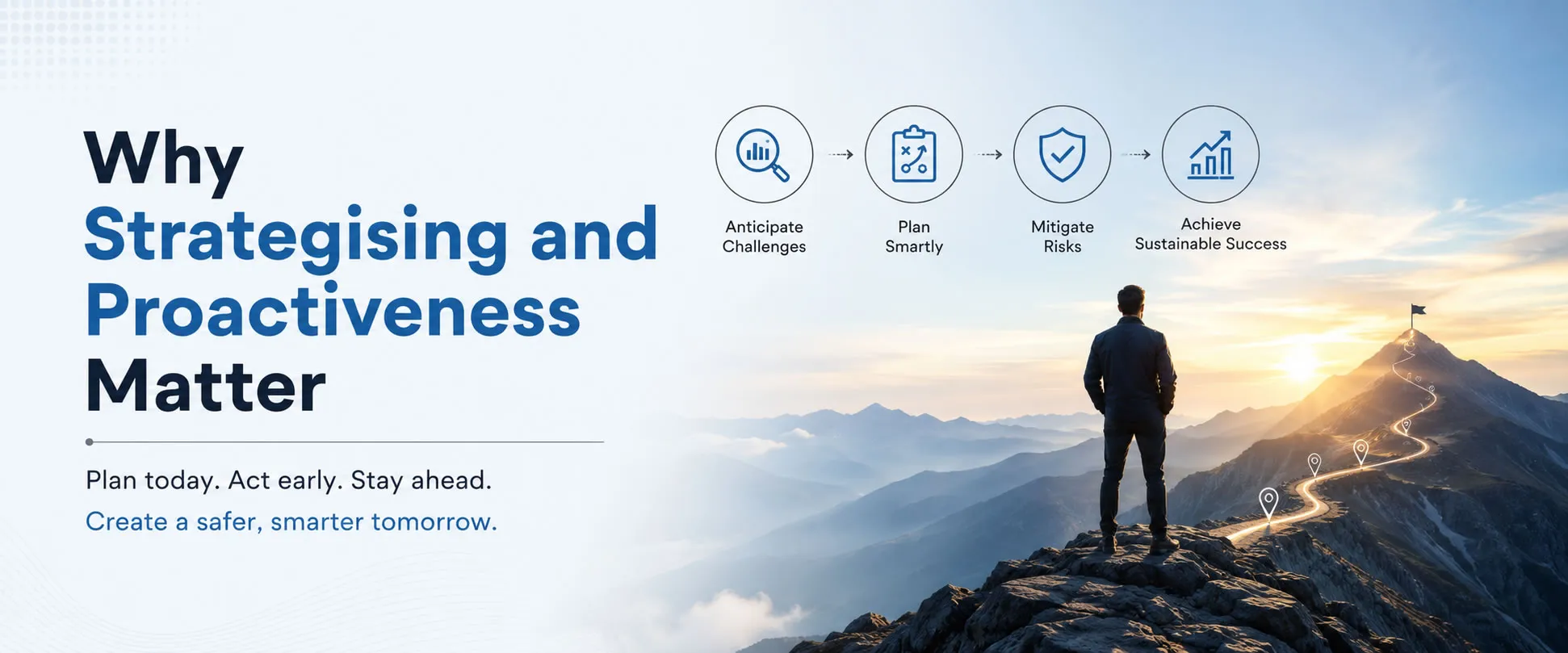
A Proactive Approach Is Always Better
Most lift-related issues do not develop overnight. Small signs such as unusual noises, irregular door operation, frequent breakdowns, or repeated passenger complaints may indicate underlying issues that deserve attention.
Addressing these concerns early can help improve reliability, reduce unexpected downtime, and support safer building operations.
Safety is not achieved by reacting to incidents. It is achieved through consistent monitoring, timely inspections, and a proactive approach to maintenance and risk management.
How Utopias Supports Safer Buildings
At Utopias Solutions Pvt. Ltd., we believe that informed decisions lead to safer buildings. Our independent lift inspections and third-party lift audits provide building owners, housing societies, and facility managers with an unbiased assessment of their lift systems.
By identifying potential concerns early and providing practical recommendations, we help stakeholders make confident decisions that prioritize safety, reliability, and long-term performance.
Final Thoughts
The Supreme Court's ruling is more than a legal decision. It is a reminder that lift safety is a shared responsibility and that every stakeholder has a role to play in protecting passengers.
For building owners and facility managers, the takeaway is simple: don't wait for an incident to evaluate your lift's condition. A proactive approach today can help create a safer and more reliable environment for everyone who uses your building.