Why a Third Party Lift Audit Is Essential for Building Safety
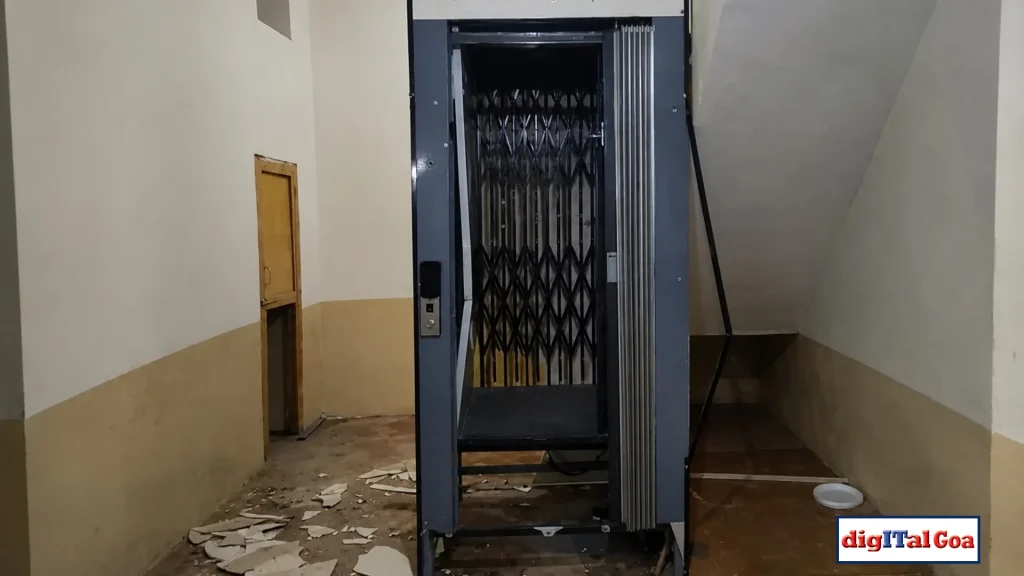
The Incident: Elevator mishap in Colva, Goa
The recent elevator mishap in Colva, Goa, that claimed the life of senior dermatologist Dr. Marcia D’Souza has once again highlighted a serious concern surrounding elevator safety in residential and commercial buildings. According to reports, the elevator door reportedly opened even though the cabin had not arrived at the floor level. Believing the lift was present, she stepped forward and tragically fell into the shaft. While investigations are still underway, the incident has raised critical questions about the overall safety assessment of elevators operating in modern buildings.
Elevator Safety Needs Independent Oversight
As cities continue to expand vertically, elevators have become one of the most used transportation systems inside buildings. Yet, many elevators continue operating for years without independent technical evaluation. Most building users assume that if a lift is functioning, it is safe. However, several hidden risks can exist within elevator systems without visible warning signs.
The Colva incident points toward a possible failure in critical safety mechanisms such as door interlocking systems. Under standard safety conditions, elevator landing doors should never open unless the lift cabin is correctly aligned with the floor. If such a failure occurs, it indicates the need for deeper technical investigation and safety evaluation.
This is where a third party lift audit becomes extremely important.
Why a Third Party Lift Audit Matters
A third party lift audit is an independent technical inspection conducted to evaluate the actual safety condition, operational performance, and compliance status of an elevator system. Unlike internal evaluations, a third party lift audit provides an unbiased review focused entirely on passenger safety and risk identification.
A professional third party lift audit helps identify:
- Unsafe door operations
- Faults in safety interlocks
- Leveling inaccuracies
- Emergency rescue risks
- Electrical and control panel hazards
- Non-compliance with safety standards
- Ageing or high-risk elevator components
These audits are designed to uncover issues that may not be visible during day-to-day elevator operation. More importantly, a third party lift audit creates transparency and accountability for building owners, facility managers, and stakeholders responsible for passenger safety.
The Importance of Proactive Safety Assessments
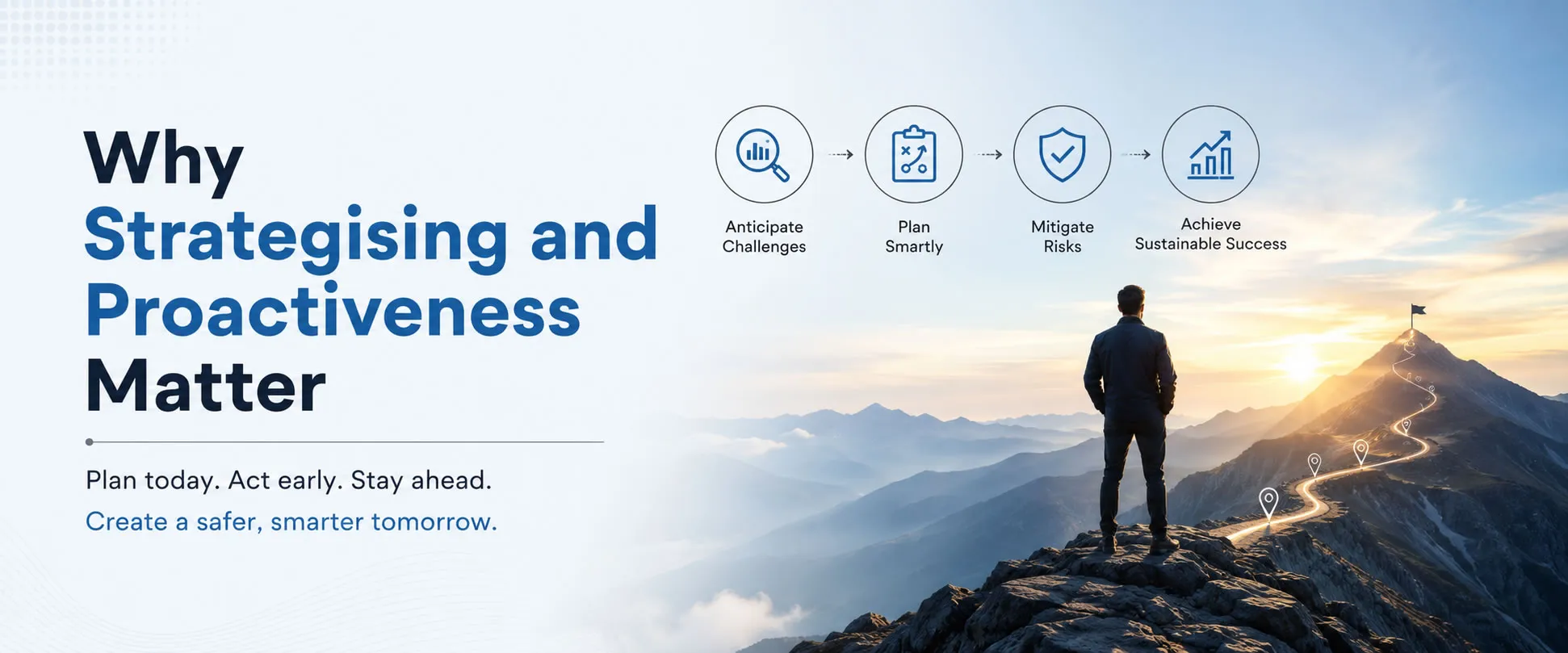
As high-rise buildings continue to increase, elevators face greater operational demands every day. Without independent evaluations, critical safety risks can remain unnoticed. A professional third party lift audit helps identify hidden issues, improve accountability, and ensure elevators operate within required safety standards before accidents occur.
Final Thoughts from Utopias
At Utopias, we believe vertical transportation safety requires more than just operational functionality. As a vertical transport consultant, our focus is on improving elevator safety through independent assessments, compliance reviews, modernization guidance, and specialized audit solutions.
The tragic incident in Colva serves as a strong reminder that elevator safety must be treated as a critical responsibility. A professional third party lift audit is not just a technical formality, it is a proactive step toward protecting lives, improving accountability, and building safer environments for everyone who depends on vertical transportation every day.